

White Rope Laces


You can determine the right shoelace length by measuring your original laces, counting the eyelet pairs, and checking the shoe's construction and lacing pattern. Measuring the existing laces is the preferred method when they fit correctly because it reflects the actual lacing path and bow allowance. If the original laces are missing or unsuitable, the eyelet chart provides a starting point that you can refine using shoe type, model, width, and eyelet spacing. These methods help prevent common mistakes, such as choosing a lace based only on shoe size or overlooking the extra material needed for tying.
How Do You Measure Your Existing Shoelaces?
Measure your existing shoelaces by removing one lace, straightening it completely, and measuring from one tip to the other, including both aglets. This method provides a direct reference for replacement shoelaces because it captures the full length of the original lace without the distortion caused by knots or the shoe's lacing path. If the original lace fits correctly, choose the same nominal length. But if it leaves excessive tails or too little material for tying, use its measurement to select a shorter or longer replacement.
- Remove the shoelace. Untie the bow and pull one lace through every eyelet.
- Remove knots and twists. Straighten the lace without stretching the material.
- Lay it on a flat surface. Position the entire lace beside a ruler or measuring tape.
- Measure from tip to tip. Include the protective aglets at both ends.
- Record the measurement. Note the length in inches or centimeters, using 1 inch = 2.54 centimeters.
- Compare replacement sizes. Choose the matching nominal length or adjust it if the original lace was too long or too short.
How Do You Choose Shoelace Length If You Do Not Have the Original Laces?
If the original shoelaces are unavailable, count the eyelet pairs and match them with the recommended lengths in the shoelace sizing chart. Count the lace holes along one side of the shoe, then consider the upper height, eyelet spacing, and preferred lacing style before selecting a replacement. For example, shoes with six eyelet pairs may need either 45-inch or 54-inch shoelaces, depending on the width of the opening and the amount of lace required for tying. Checking the shoe's construction and preferred bow length helps determine which size provides a secure fit without excessive loose ends.
A model-specific recommendation provides a useful second reference when the sneaker is listed in the Jordan, Nike, or Adidas tables below. Shoe size alone is not a reliable substitute for eyelet count because two shoes with the same labeled size can have different numbers of lace holes and different lacing paths.
Does Lacing Style Affect Shoelace Length?
Yes, lacing style affects shoelace length because different patterns use different amounts of material between the eyelets. Standard crisscross lacing creates diagonal crossings, while straight-bar lacing follows a different route across the shoe opening. Heel-lock lacing can use additional upper eyelets and loops, which reduces the amount of lace remaining for the final knot. If you change your lacing method, check that the replacement length still reaches the intended eyelets and leaves enough material for a secure bow without excessive loose ends.
What Shoelace Length Do You Need for Different Types of Shoes?
Different types of shoes need different shoelace lengths because their upper heights, eyelet counts, widths, and lacing arrangements vary. Low-top sneakers have shorter lacing areas than comparable high-top designs, while athletic shoes may use auxiliary eyelets and boots may include speed hooks or extended shafts. Dress shoes often have fewer eyelet pairs, but the spacing between their facing panels can still affect the required length. Use the general eyelet chart as a baseline and the following footwear-specific guidance to refine the recommendation.
What Shoelace Length Do You Need for Low-Top Sneakers?
30-inch to 54-inch shoelaces are recommended for low-top sneakers, depending on the number of eyelet pairs, eyelet spacing, and sneaker model. Nike Dunk Low sneakers require 54-inch shoelaces, while Adidas Samba OG sneakers use 45-inch laces. Although both models have low-top uppers that end below the ankle, their different eyelet arrangements and lacing paths affect the required length. Shoe width, the distance between lace crossings, and the amount of material needed for tying also influence the correct shoelace size. Checking the model-specific sizing chart or measuring existing shoelaces from tip to tip helps determine the appropriate replacement length while maintaining a secure fit and manageable bow length.
What Shoelace Length Do You Need for Mid-Top Sneakers?
Mid-top sneakers with six to seven eyelet pairs need 54-inch shoelaces, while those with seven to eight pairs may require 63-inch laces. These lengths depend on the upper height, eyelet spacing, and preferred lacing pattern. Mid-top sneakers extend higher than low-top designs, often adding eyelets near the ankle and increasing the distance the laces travel between crossings. Shoe width and the number of upper eyelets used also affect the required shoelace length. Leaving the top eyelets unused may reduce the amount of lace needed, while fully lacing the shoe can require additional length to maintain a secure fit and sufficient material for tying.
What Shoelace Length Do You Need for High-Top Sneakers?
Jordan 1 High sneakers require 72-inch shoelaces for a tied look or 63-inch laces for a loose or untied style, while Nike Dunk High sneakers use 63-inch shoelaces. High-top sneakers need longer laces because their uppers extend toward or above the ankle and include additional eyelet pairs that increase the lacing path. The correct shoelace length depends on the sneaker model, eyelet spacing, number of upper eyelets used, and preferred lacing style. Threading laces through every eyelet may require additional length, while leaving the upper eyelets unused can reduce the amount needed. Matching the lace length to the specific high-top model and tying preference helps maintain a secure fit without excessive loose ends.
What Shoelace Length Do You Need for Running and Athletic Shoes?
Running and athletic shoes need 30-inch to 63-inch shoelaces, depending on the number of eyelet pairs, upper construction, and lacing pattern. Running shoes and trainers may feature additional upper eyelets for heel-lock lacing, which uses more lace and reduces the material available for tying. Basketball shoes often have taller uppers and longer lacing paths, requiring different lengths than low-cut athletic footwear. Counting the eyelet pairs and comparing them with the shoelace sizing chart helps estimate the correct size, while checking the lacing style and measuring the original laces can confirm the appropriate length and bow allowance.
If your existing athletic shoelaces become difficult to tie after completing a heel-lock pattern, measure them and compare the result with a longer available size. Do not select replacement laces solely by men's, women's, or children's shoe size because labeled shoe size does not establish the number of eyelets or the distance traveled by the lace.
What Shoelace Length Do You Need for Boots?
Boots often need longer shoelaces because their uppers can have more eyelet pairs, wider spacing, speed hooks, and extended shafts. Hiking boots, work boots, and combat-style boots can have different lacing paths even when their labeled shoe sizes are similar, so count every eyelet and hook pair used when fastening the boot. Use the general chart for an initial estimate, but measure the original boot laces whenever possible, especially when the laces must reach several upper hooks and leave enough material for a secure knot.
What Shoelace Length Do You Need for Dress Shoes?
Dress shoes with three eyelet pairs need 30-inch shoelaces, while those with four pairs require 36-inch laces. These recommendations apply to formal footwear such as Oxford and Derby shoes, although their different lacing systems and eyelet spacing can affect the required length. Oxford shoes feature closed lacing systems, while Derby shoes have open lacing systems that may create wider gaps between eyelets. Shoe width and the amount of lace needed for a compact bow also influence sizing. Measuring the original laces from tip to tip helps confirm the correct length. For formal footwear, waxed dress shoelaces are used to maintain a neat appearance and secure fit.
What Shoelace Length Do You Need for Popular Sneaker Models?
Popular Jordan, Nike, and Adidas sneakers require shoelaces ranging from 30 to 72 inches, depending on the model, upper height, eyelet arrangement, and preferred lacing style. For example, Jordan 1 High sneakers use 72-inch laces for a tied look, Nike Dunk Low sneakers require 54-inch laces, and Adidas Samba OG sneakers use 45-inch laces. These differences make model-specific recommendations more reliable than general eyelet-based estimates. The sneaker shoelace length charts below provide recommended sizes for popular models, while measuring the original laces helps confirm the correct replacement length and bow allowance.
What Shoelace Length Do You Need for Jordan Sneakers?
Jordan 1 High sneakers need 72-inch shoelaces for a tied look, while Jordan 4 sneakers require 63-inch laces and Jordan 10 sneakers use 45-inch laces. These lengths vary by sneaker model, upper height, eyelet arrangement, and preferred lacing style. High-top designs often require longer laces because their extended uppers create longer lacing paths. Some Jordan models also have different recommendations for tight, loose, or untied lacing. The Jordan shoelace length chart below provides model-specific recommendations, while measuring the original laces helps confirm the correct size and bow allowance.
| Jordan sneaker model | Recommended lace length | Fit or lacing note |
|---|---|---|
| Jordan 1 High | 72 inches | Tied look |
| Jordan 1 Low | 54 inches | General recommendation |
| Jordan 3 | 54 inches | General recommendation |
| Jordan 4 | 63 inches | General recommendation |
| Jordan 5 | 54 inches | General recommendation |
| Jordan 6 | 63 inches | General recommendation |
| Jordan 10 | 45 inches | General recommendation |
| Jordan 11 | 45 inches / 54 inches | Low / Mid or High |
| Jordan 12 | 63 inches | General recommendation |
| Jordan 13 | 45 inches | General recommendation |
Jordan 1 High sneakers need 63-inch shoelaces for a loose or untied look, while tightly laced Jordan 1 Low sneakers use 45-inch laces. These variations show how lacing style, eyelet arrangement, and preferred fit affect the required length, even within the same sneaker series. Loose lacing requires a different lace allowance than tightly secured patterns, making it important to match the length to the intended style. Checking the original lace measurement and comparing available Jordan 1 replacement shoelaces helps identify the appropriate size without excessive loose ends.
What Shoelace Length Do You Need for Nike Sneakers?
Nike Dunk Low and Air Force 1 Low sneakers need 54-inch shoelaces, while their high-top versions require 63-inch laces, and Air Max and Vomero 5 models use 45-inch laces. These recommendations vary by sneaker model, upper height, eyelet arrangement, and lacing pattern. High-top designs often need longer laces because their extended uppers create longer lacing paths, while low-top and running-inspired models have different sizing requirements. The Nike shoelace length chart below provides model-specific recommendations, while measuring the original laces helps confirm the correct replacement size and bow allowance.
| Nike sneaker model | Recommended lace length |
|---|---|
| Dunk Low | 54 inches |
| Dunk High | 63 inches |
| Air Force 1 Low | 54 inches |
| Air Force 1 High | 63 inches |
| Air Max 1 | 45 inches |
| Air Max 90 | 45 inches |
| Air Max 95 | 45 inches |
| Vomero 5 | 45 inches |
The differences between the Dunk Low and Dunk High and between the Air Force 1 Low and High illustrate how upper construction can affect lace requirements. However, model-specific eyelet layouts remain important even among shoes with similar upper heights. Check the exact model and your preferred lacing style before selecting Nike Dunk replacement laces.
What Shoelace Length Do You Need for Adidas Sneakers?
Adidas Samba OG and Yeezy 350 sneakers need 45-inch shoelaces, while Yeezy 700 models require 54-inch laces, Ultra Boost sneakers use 41-inch laces, and NMD models need 30-inch laces. These lengths vary by sneaker model, upper construction, eyelet arrangement, and lacing pattern. Different Adidas designs have distinct lacing paths, making model-specific recommendations more reliable than a standard lace size. The Adidas shoelace length chart below provides recommended sizes, while measuring the original laces helps confirm the correct replacement length and bow allowance.
| Adidas sneaker model | Recommended lace length |
|---|---|
| Samba OG | 45 inches |
| Yeezy 350 | 45 inches |
| Yeezy 700 | 54 inches |
| Ultra Boost | 41 inches |
| NMD | 30 inches |
The 41-inch Ultra Boost recommendation is a distinct size and should not be automatically rounded to 45 inches. Check the available replacement lengths and measure the original laces if your Adidas model differs by release or construction, especially when the existing laces provide the preferred fit.
How Do You Choose the Right Shoelace Size for Your Fit?
Choose the right shoelace size for your fit by starting with the eyelet chart or model recommendation, then checking shoe width, eyelet spacing, lacing tension, and the amount of material remaining for the bow. A wider shoe opening can increase the distance traveled by the lace, while closely spaced eyelet rows can reduce that distance. These factors explain why the same nominal lace length may produce different bow sizes on two shoes with similar eyelet counts. The following sections clarify when width and spacing justify changing the recommended length and how to recognize laces that are too long or too short.
Should Wide Shoes Use Longer Shoelaces?
Yes, wide shoes can require longer shoelaces when the distance between opposing eyelet rows increases the total lacing path. Each crossing must travel across the shoe opening, so greater horizontal spacing can consume more lace and leave less material for tying. However, a wide shoe does not automatically need a longer replacement because the eyelet count, upper construction, and lacing pattern also affect the required length. If your current laces barely provide enough material for a knot after the shoe is fitted correctly, measure them and compare the result with the next longer available size rather than increasing the length based on the wide-fit label alone.
Should Narrow Shoes Use Shorter Shoelaces?
Yes, narrow shoes can use shorter shoelaces when closely positioned eyelet rows reduce the distance the lace travels across the upper. A shorter lacing path can leave longer tails and larger bow loops when the same lace length is used, but narrow foot width alone does not determine the correct size. Count the eyelet pairs, check the lacing pattern, and measure the existing lace before changing lengths. If the current laces leave excessive material after tying, compare their measurement with a shorter available size while ensuring that the replacement still reaches the intended eyelets and supports a secure knot.
How Does Eyelet Spacing Affect Shoelace Length?
Wider eyelet spacing increases the shoelace length needed by extending the distance between lace crossings, while closer spacing reduces the amount of lace required. Horizontal spacing affects how far the lace travels across the shoe opening, whereas vertical spacing determines the distance between successive eyelet rows. For example, two sneakers with six eyelet pairs may require different lace lengths if one has a wider opening or more widely spaced eyelets. These variations explain why shoelace sizing charts include overlapping eyelet ranges. Measuring the original laces or checking model-specific recommendations helps determine the correct length more accurately than relying on eyelet count alone.
How Can You Tell If Your Shoelaces Are Too Long or Too Short?
Shoelaces are too long when they leave excessive material after tying and too short when they do not provide enough material to reach the intended eyelets and complete the preferred knot. The correct length should allow the shoe to be tightened comfortably while leaving manageable bow loops and tails. Check the following signs before replacing your laces.
Signs that shoelaces are too long
- Oversized bow loops: Large loops remain after the shoe is tightened.
- Excessive lace tails: Long ends hang below the desired bow position.
- Dragging ends: Loose lace reaches the ground and may create a tripping concern.
- Repeated wrapping: Excess material must be wrapped around the shoe or ankle.
Signs that shoelaces are too short
- Unreachable upper eyelets: The lace cannot pass through all intended eyelet pairs.
- Very small bow loops: Too little material remains for comfortable tying.
- Excessive tension: The shoe must be tightened more than intended to form a knot.
- Insecure knot: The remaining lace ends are too short for the preferred tying method.
To correct the problem, remove the lace and measure it from tip to tip, then compare the result with the eyelet chart or model-specific recommendation. Choose a shorter available length if the lace leaves excessive tails or a longer length if it cannot reach the intended eyelets and support a secure knot. Check shoe width, eyelet spacing, and lacing style before making the final selection because these factors determine how much of the replacement lace remains available for tying.

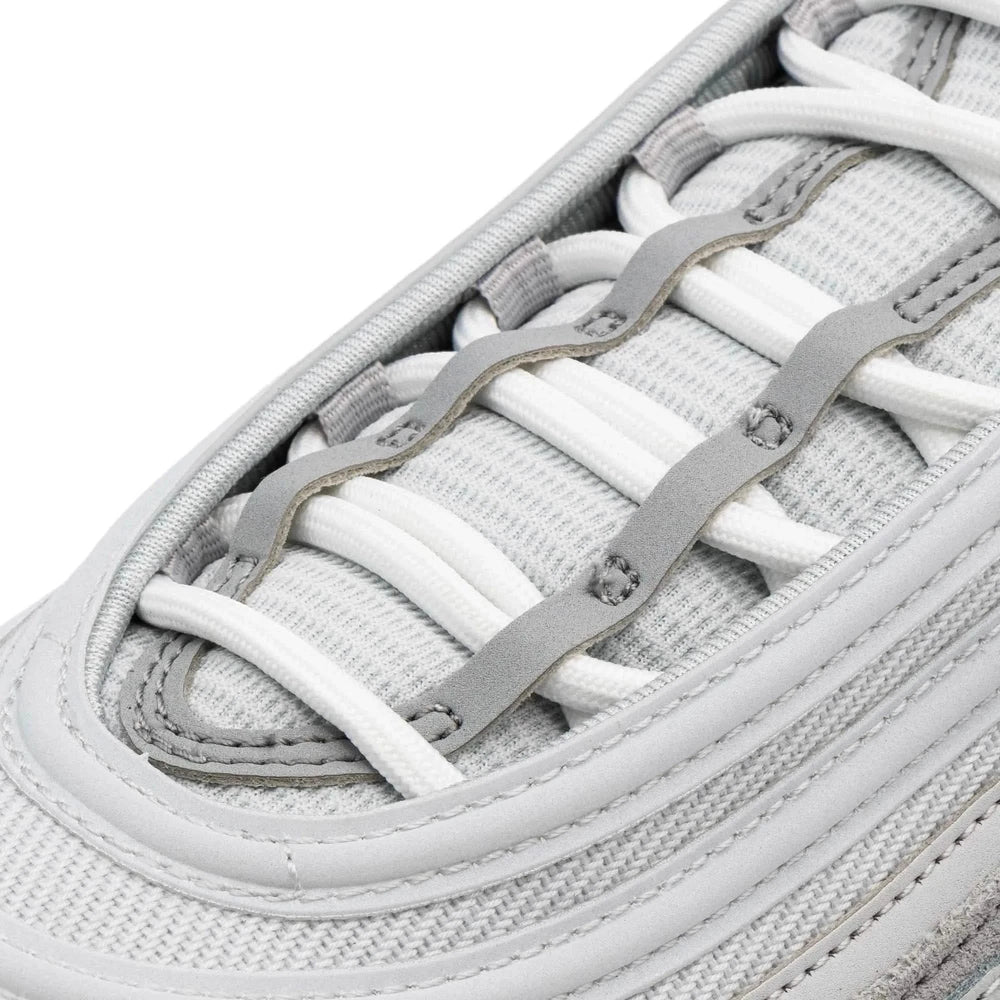
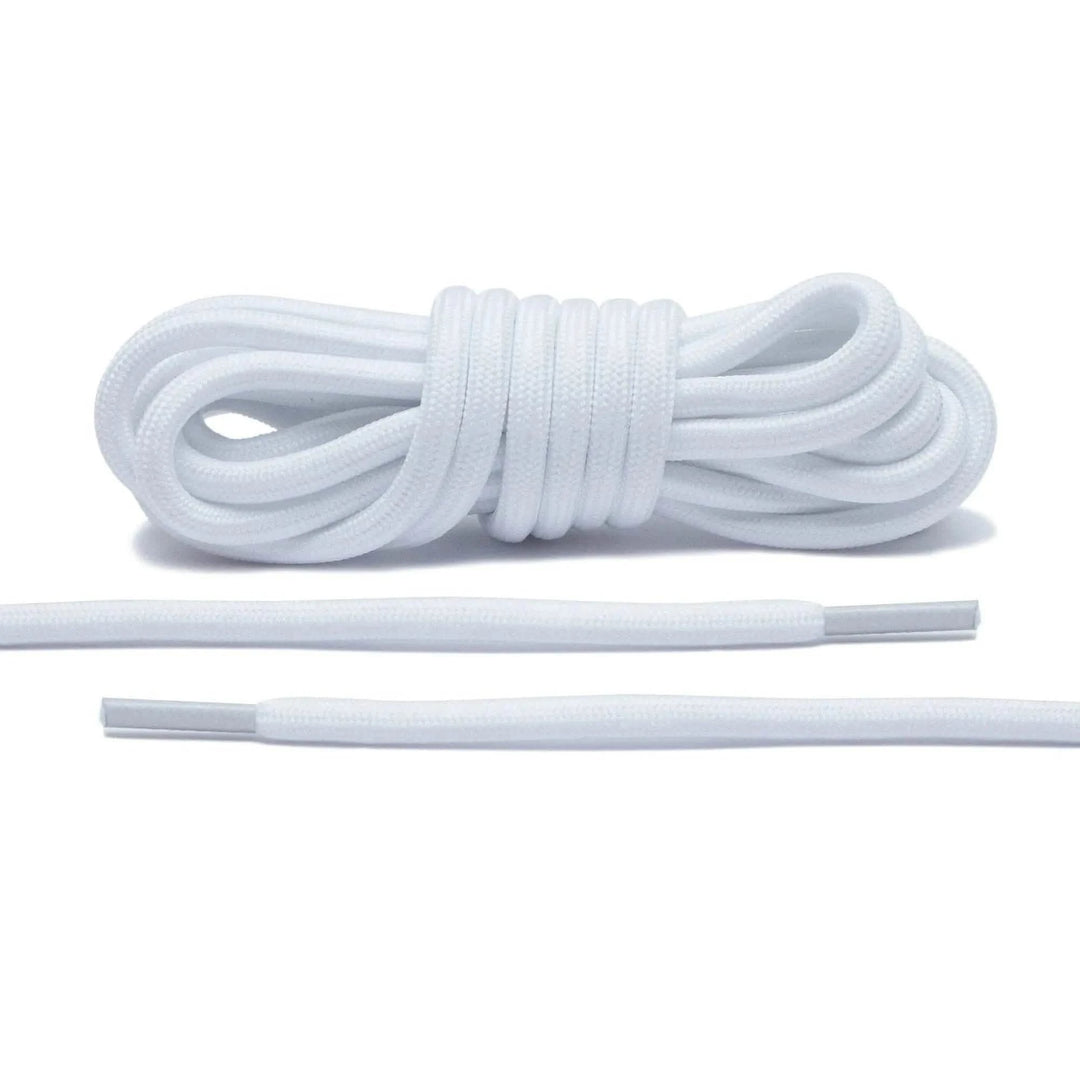
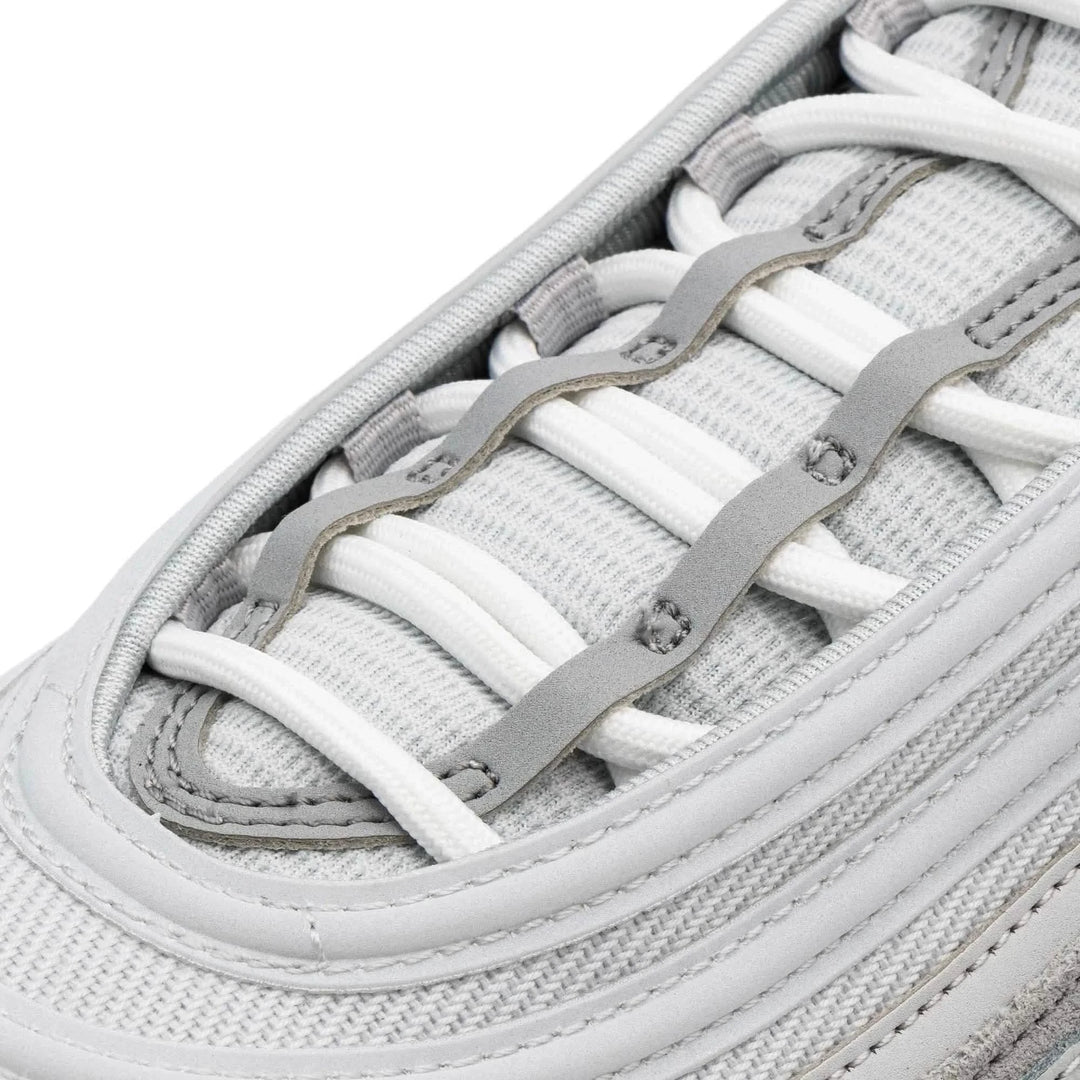
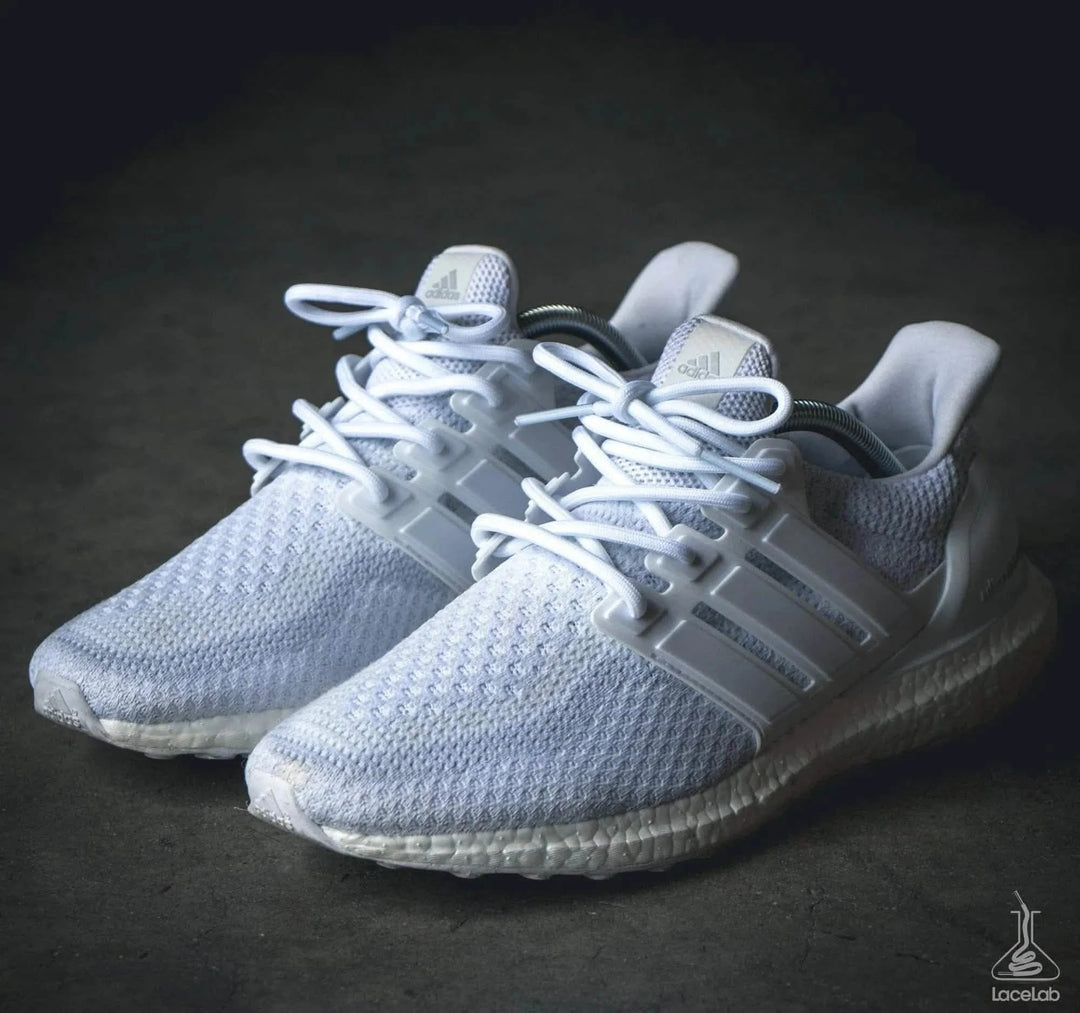
Our Solid White Rope Laces are a great way to replace your old dirty laces! Grab a fresh pair of white rope laces for your Adidas NMD's or even your Jordan's. For all sneaker enthusiasts out there, Lace Lab has you covered!
Diameter: About 5mm
Recommended Lace lengths for popular shoes:
Adidas NMD_R1: 30"
Adidas NMD_XR1: 36"
Adidas Ultra Boost's: 41"
Adidas Uncaged Ultra Boost's: 36"
Adidas Yeezy 350 Boost's: 45"
Lace Lab Sizing Chart
Number of Eyelets:
- 3 Eyelets: 30"
- 4 Eyelets: 36"
- 5-6 Eyelets: 45"
- 6-7 Eyelets: 54"
- 7-8 Eyelets: 63"
- 8-9 Eyelets: 72"
Sizing varies from shoe to shoe. Please use this chart as a rough estimate. For best results, please measure the length of your original laces. If you are between two sizes using our chart, we recommend choosing the shorter length for most applications.
Please note that our laces can sometimes have a 1"-2" variance in length due to the slight elastic properties in the materials used. This is more commonly seen in longer lace lengths (54"+) but may also be present in other lengths.
All orders ship out within 1-2 Business Days (Monday-Friday). Free Shipping is available on all U.S. orders over $15 (before tax, excludes gift cards).
Choose from several different shipping methods to best suit your needs.